Unpacking the UI Update Controversy

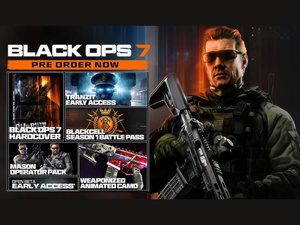
Players are claiming that a subtle user interface (UI) update in current titles like Modern Warfare III and Warzone is designed to mislead them into pre-ordering the upcoming Call of Duty: Black Ops 7. This controversy erupted shortly after the game's reveal earlier this year, adding fuel to ongoing debates about aggressive marketing in gaming.
The issue centers on a menu overhaul that reportedly places pre-order prompts in prominent positions, disguised as standard gameplay options. For instance, some users have shared screenshots on Reddit and X (formerly Twitter) showing Black Ops 7 banners integrated into loadout selectors or battle pass menus, leading to accidental clicks that direct to purchase pages. "It's sneaky and manipulative," one Redditor posted in a thread with over 10,000 upvotes. "I almost bought it thinking it was a new skin unlock." Activision has defended the change in a blog post, calling it a "seamless integration to highlight exciting upcoming content," but fans aren't buying it. This comes amid broader backlash since the May 2024 reveal trailer, which faced criticism for recycled mechanics and high pricing.
Historically, the Black Ops sub-series, developed by Treyarch, has been a fan favorite since 2010's original, blending narrative campaigns with multiplayer mayhem. Black Ops 6 in 2023 sold over 25 million copies, per Activision's earnings reports, but player retention has dipped due to issues like skill-based matchmaking (SBMM) frustrations. In the FPS market, where competitors like Apex Legends and Valorant emphasize transparent monetization, this UI tactic risks alienating core players who value trust over hype.
Analysts suggest implications could be significant. If proven deceptive, it might violate platform policies on misleading ads, potentially leading to refunds or regulatory scrutiny—echoing past controversies like the 2019 loot box uproar in Modern Warfare. For players, it underscores the monetization model's evolution: Black Ops 7 is set for a $69.99 base price, with Vault Edition at $99.99 including early access betas. Microtransactions (MTX) remain a staple, generating billions annually, but deceptive prompts could boost short-term pre-orders at the cost of long-term loyalty.
Community reactions are heated. On forums, sentiments range from boycott calls to memes mocking Activision's "trick shots." Esports pros, like those from OpTic Gaming, have weighed in on streams, warning that such tactics erode the competitive scene's integrity. Investors, per Wedbush reports, note minimal stock dips so far, but sustained backlash could impact Q4 earnings.
Technically, Black Ops 7 runs on the IW 9.0 engine, promising 120fps at 4K on next-gen consoles, with cross-play and anti-cheat via Ricochet. The UI update, part of patch 1.42 (5GB download), includes cross-progression teases. Risks include unconfirmed leaks about FTC complaints, labeled as speculation from community sources.
Looking ahead, beta tests start October 1, 2024, with full release on November 8. Will this controversy fade, or will it define Black Ops 7's launch? For now, it's a reminder that in gaming, transparency wins battles.
The issue centers on a menu overhaul that reportedly places pre-order prompts in prominent positions, disguised as standard gameplay options. For instance, some users have shared screenshots on Reddit and X (formerly Twitter) showing Black Ops 7 banners integrated into loadout selectors or battle pass menus, leading to accidental clicks that direct to purchase pages. "It's sneaky and manipulative," one Redditor posted in a thread with over 10,000 upvotes. "I almost bought it thinking it was a new skin unlock." Activision has defended the change in a blog post, calling it a "seamless integration to highlight exciting upcoming content," but fans aren't buying it. This comes amid broader backlash since the May 2024 reveal trailer, which faced criticism for recycled mechanics and high pricing.
Historically, the Black Ops sub-series, developed by Treyarch, has been a fan favorite since 2010's original, blending narrative campaigns with multiplayer mayhem. Black Ops 6 in 2023 sold over 25 million copies, per Activision's earnings reports, but player retention has dipped due to issues like skill-based matchmaking (SBMM) frustrations. In the FPS market, where competitors like Apex Legends and Valorant emphasize transparent monetization, this UI tactic risks alienating core players who value trust over hype.
Analysts suggest implications could be significant. If proven deceptive, it might violate platform policies on misleading ads, potentially leading to refunds or regulatory scrutiny—echoing past controversies like the 2019 loot box uproar in Modern Warfare. For players, it underscores the monetization model's evolution: Black Ops 7 is set for a $69.99 base price, with Vault Edition at $99.99 including early access betas. Microtransactions (MTX) remain a staple, generating billions annually, but deceptive prompts could boost short-term pre-orders at the cost of long-term loyalty.
Community reactions are heated. On forums, sentiments range from boycott calls to memes mocking Activision's "trick shots." Esports pros, like those from OpTic Gaming, have weighed in on streams, warning that such tactics erode the competitive scene's integrity. Investors, per Wedbush reports, note minimal stock dips so far, but sustained backlash could impact Q4 earnings.
Technically, Black Ops 7 runs on the IW 9.0 engine, promising 120fps at 4K on next-gen consoles, with cross-play and anti-cheat via Ricochet. The UI update, part of patch 1.42 (5GB download), includes cross-progression teases. Risks include unconfirmed leaks about FTC complaints, labeled as speculation from community sources.
Looking ahead, beta tests start October 1, 2024, with full release on November 8. Will this controversy fade, or will it define Black Ops 7's launch? For now, it's a reminder that in gaming, transparency wins battles.


