The Surprise Becomes Part of the Product

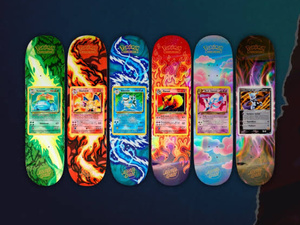
The familiar Pokémon collecting moment is moving beyond the booster pack. PokéBeach reported on October 6 that Santa Cruz Skateboards is preparing a Pokémon Trading Card Game collection for October 17, bringing card-inspired graphics onto boards and accompanying apparel.
The reported range includes 30 Pokémon card designs and three boards described as secret rares. The launch follows an earlier tease, making the October reveal the new development rather than the first indication that a collaboration was coming.
Its cultural hook is straightforward: artwork associated with a trading card becomes something that can be displayed, collected or connected to skate identity. Pokémon already bridges games, animation and collecting. A skateboard adds another way for fans to express that connection.
The packaging is part of the appeal. According to the reported details, boards come in opaque bags, meaning the design is hidden before opening. This is a blind-bag format: the buyer selects the product category without knowing the exact version inside.
That resembles the experience of opening a booster pack, a sealed assortment of trading cards. The moment of discovery becomes part of what people enjoy. A rare design can also act as a chase item, the version collectors particularly hope to reveal.
However, rarity language should not be confused with a promise of financial value. An uncommon product is not automatically valuable on resale, and demand can change quickly. A striking asking price on a marketplace is also not evidence that a transaction occurred at that amount.
Price reporting requires particular care here. PokéBeach stated that a manufacturer’s suggested retail price had not been announced and offered an estimate. That estimate is not confirmed pricing and should not be converted into a supposed Moroccan retail cost.
For Moroccan collectors encountering the collaboration through social media or overseas sellers, local stock, shipping charges, import costs and authenticity remain separate questions. The reporting reviewed does not establish an official Moroccan distribution channel or local release arrangements.
The more interesting story is therefore not whether the boards will become expensive collectibles. It is how a collecting ritual travels between hobbies. Pokémon’s card imagery supplies recognition; concealed packaging supplies suspense; skate culture supplies a different setting.
This crossover belongs within gaming culture, not outside it. It shows how fans carry their attachment to fictional worlds into everyday objects. The healthiest way to understand the launch is as a cultural product with uncertain contents and market risks—not a guaranteed opportunity hidden inside a sealed bag.
The reported range includes 30 Pokémon card designs and three boards described as secret rares. The launch follows an earlier tease, making the October reveal the new development rather than the first indication that a collaboration was coming.
Its cultural hook is straightforward: artwork associated with a trading card becomes something that can be displayed, collected or connected to skate identity. Pokémon already bridges games, animation and collecting. A skateboard adds another way for fans to express that connection.
The packaging is part of the appeal. According to the reported details, boards come in opaque bags, meaning the design is hidden before opening. This is a blind-bag format: the buyer selects the product category without knowing the exact version inside.
That resembles the experience of opening a booster pack, a sealed assortment of trading cards. The moment of discovery becomes part of what people enjoy. A rare design can also act as a chase item, the version collectors particularly hope to reveal.
However, rarity language should not be confused with a promise of financial value. An uncommon product is not automatically valuable on resale, and demand can change quickly. A striking asking price on a marketplace is also not evidence that a transaction occurred at that amount.
Price reporting requires particular care here. PokéBeach stated that a manufacturer’s suggested retail price had not been announced and offered an estimate. That estimate is not confirmed pricing and should not be converted into a supposed Moroccan retail cost.
For Moroccan collectors encountering the collaboration through social media or overseas sellers, local stock, shipping charges, import costs and authenticity remain separate questions. The reporting reviewed does not establish an official Moroccan distribution channel or local release arrangements.
The more interesting story is therefore not whether the boards will become expensive collectibles. It is how a collecting ritual travels between hobbies. Pokémon’s card imagery supplies recognition; concealed packaging supplies suspense; skate culture supplies a different setting.
This crossover belongs within gaming culture, not outside it. It shows how fans carry their attachment to fictional worlds into everyday objects. The healthiest way to understand the launch is as a cultural product with uncertain contents and market risks—not a guaranteed opportunity hidden inside a sealed bag.


