The mirage of perpetual profit in gaming

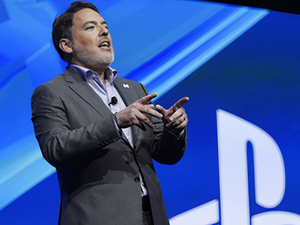
Shawn Layden, former head of Sony Interactive Entertainment, has never been one to shy away from frank assessments of the gaming industry. In his latest interview, Layden expressed deep concerns about the industry’s current obsession with live service games—titles designed to keep players engaged (and spending) indefinitely through regular updates, microtransactions, and social features.
Layden’s critique comes at a time when nearly every major AAA publisher is scrambling to replicate the success of games like Fortnite, Apex Legends, and Genshin Impact. While these live service titles have generated billions in revenue, Layden believes the industry’s relentless pursuit of the next big hit is unsustainable and potentially damaging to both developers and players.
During his tenure at Sony, Layden oversaw the launch of several critically acclaimed single-player games, including God of War and Horizon Zero Dawn. He argues that the focus on live service models has led to a narrowing of creative ambition, with studios increasingly pressured to prioritize monetization over innovation. “Chasing the live service dream can be a mirage,” Layden warns, “because only a handful of games ever achieve that level of success. Most end up abandoned, leaving players disappointed and developers burned out.”
Layden’s comments have struck a chord with many in the gaming community, particularly those who miss the era of rich, story-driven experiences. He points out that while live service games can foster vibrant communities and ongoing engagement, they often come at the expense of narrative depth and artistic risk-taking. Moreover, the financial risk associated with launching a live service title is enormous; failure can mean millions of dollars lost and years of work wasted.
Industry analysts note that the live service model is not inherently flawed, but its dominance has led to market saturation and player fatigue. Gamers are increasingly wary of games that promise endless content but deliver repetitive gameplay and aggressive monetization. Layden urges publishers to strike a balance, investing in both live service projects and traditional games that offer complete experiences out of the box.
As the debate continues, Layden’s perspective serves as a reminder that the gaming industry thrives on diversity and innovation. While live service titles will remain a key part of the landscape, developers and publishers must not lose sight of what makes games truly memorable: compelling stories, creative worlds, and meaningful player choices.
In a world where every company wants to be the next Fortnite, Layden’s warning about chasing mirages may be more relevant than ever. The future of gaming depends on finding new ways to engage players—without sacrificing the artistry that defines the medium.
Layden’s critique comes at a time when nearly every major AAA publisher is scrambling to replicate the success of games like Fortnite, Apex Legends, and Genshin Impact. While these live service titles have generated billions in revenue, Layden believes the industry’s relentless pursuit of the next big hit is unsustainable and potentially damaging to both developers and players.
During his tenure at Sony, Layden oversaw the launch of several critically acclaimed single-player games, including God of War and Horizon Zero Dawn. He argues that the focus on live service models has led to a narrowing of creative ambition, with studios increasingly pressured to prioritize monetization over innovation. “Chasing the live service dream can be a mirage,” Layden warns, “because only a handful of games ever achieve that level of success. Most end up abandoned, leaving players disappointed and developers burned out.”
Layden’s comments have struck a chord with many in the gaming community, particularly those who miss the era of rich, story-driven experiences. He points out that while live service games can foster vibrant communities and ongoing engagement, they often come at the expense of narrative depth and artistic risk-taking. Moreover, the financial risk associated with launching a live service title is enormous; failure can mean millions of dollars lost and years of work wasted.
Industry analysts note that the live service model is not inherently flawed, but its dominance has led to market saturation and player fatigue. Gamers are increasingly wary of games that promise endless content but deliver repetitive gameplay and aggressive monetization. Layden urges publishers to strike a balance, investing in both live service projects and traditional games that offer complete experiences out of the box.
As the debate continues, Layden’s perspective serves as a reminder that the gaming industry thrives on diversity and innovation. While live service titles will remain a key part of the landscape, developers and publishers must not lose sight of what makes games truly memorable: compelling stories, creative worlds, and meaningful player choices.
In a world where every company wants to be the next Fortnite, Layden’s warning about chasing mirages may be more relevant than ever. The future of gaming depends on finding new ways to engage players—without sacrificing the artistry that defines the medium.


