




 L'accueil

Epic Games has quietly made a very loud move: the Fortnite roadmap Trello page has been updated with what appears to be the full release schedule for 2026, including when players can expect content patches and season launches. For a live-service game that thrives on surprise, putting dates on the calendar is a rare nod to predictability, and a sign that Chapter 7’s bigger systems shift wasn’t a one-off.
Chapter 7 proved Epic will rewrite the rules, not just add skins

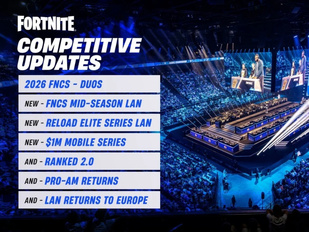
Fortnite has always lived in the tension between routine and spectacle. You can usually count on weekly quests, rotating shop bundles, and periodic balance passes, but the truly game-shaping changes tend to arrive with little warning—often alongside cinematic trailers and an update you discover by getting eliminated to a weapon you didn’t know existed. That’s why Epic updating the official Trello roadmap with an entire 2026 release schedule is notable: it’s Epic choosing, at least in part, clarity over chaos.
The timing makes sense. Fortnite is now in its seventh chapter and its 35th full season, a scale that basically guarantees operational complexity. Chapters are the heavyweight releases—the moments where Epic is more likely to alter core systems, rebuild major tech, and reframe what “a normal match” looks like. Season launches still matter, but chapters are when Fortnite tends to reintroduce itself. By publishing dates for patches and season rollovers, Epic is giving players, teams, and creators a way to plan their time instead of reacting to it.
That planning matters more than ever because Chapter 7 Season 1—also known as Pacific Break—didn’t just decorate the island. It reportedly modified foundational elements, including how players land and how Battle Pass pages are unlocked and redeemed. Those aren’t cosmetic tweaks; they touch the first 30 seconds of every match and the core motivation loop that keeps players logging in. When Epic changes the landing flow, it changes pacing, early engagements, and the skill expression around drop decisions. When it changes Battle Pass redemption, it changes the “why” behind play sessions: how people prioritize quests, how quickly they feel rewarded, and whether progression feels like choice or obligation.
A visible 2026 calendar also shifts community expectations. When players know roughly when patches land, the conversation changes from “is an update coming?” to “what’s in the next update?” That’s great for content creators planning videos, stream schedules, and collab events. It’s also huge for competitive players and tournament organizers who live and die by patch timing. Nothing scrambles scrims like a last-minute weapon tuning or mobility change; predictable cadence helps reduce that volatility—or at least lets teams prepare for it.
There’s another angle here: transparency as damage control. When a chapter makes sweeping changes, it can create friction. A roadmap is a way of saying, “We know the year is long, we know the game is evolving, and we’re telling you when to expect the next big beat.” It doesn’t guarantee that each update will be universally loved—Fortnite patches never are—but it’s a step toward making the live-service rhythm feel less like whiplash.
If Pacific Break “took it up a notch,” a full-year roadmap suggests Epic is gearing up to keep that notch turned. Fortnite isn’t just moving forward in content; it’s moving forward in structure—and now, at least for 2026, it’s doing it with dates you can circle.
The timing makes sense. Fortnite is now in its seventh chapter and its 35th full season, a scale that basically guarantees operational complexity. Chapters are the heavyweight releases—the moments where Epic is more likely to alter core systems, rebuild major tech, and reframe what “a normal match” looks like. Season launches still matter, but chapters are when Fortnite tends to reintroduce itself. By publishing dates for patches and season rollovers, Epic is giving players, teams, and creators a way to plan their time instead of reacting to it.
That planning matters more than ever because Chapter 7 Season 1—also known as Pacific Break—didn’t just decorate the island. It reportedly modified foundational elements, including how players land and how Battle Pass pages are unlocked and redeemed. Those aren’t cosmetic tweaks; they touch the first 30 seconds of every match and the core motivation loop that keeps players logging in. When Epic changes the landing flow, it changes pacing, early engagements, and the skill expression around drop decisions. When it changes Battle Pass redemption, it changes the “why” behind play sessions: how people prioritize quests, how quickly they feel rewarded, and whether progression feels like choice or obligation.
A visible 2026 calendar also shifts community expectations. When players know roughly when patches land, the conversation changes from “is an update coming?” to “what’s in the next update?” That’s great for content creators planning videos, stream schedules, and collab events. It’s also huge for competitive players and tournament organizers who live and die by patch timing. Nothing scrambles scrims like a last-minute weapon tuning or mobility change; predictable cadence helps reduce that volatility—or at least lets teams prepare for it.
There’s another angle here: transparency as damage control. When a chapter makes sweeping changes, it can create friction. A roadmap is a way of saying, “We know the year is long, we know the game is evolving, and we’re telling you when to expect the next big beat.” It doesn’t guarantee that each update will be universally loved—Fortnite patches never are—but it’s a step toward making the live-service rhythm feel less like whiplash.
If Pacific Break “took it up a notch,” a full-year roadmap suggests Epic is gearing up to keep that notch turned. Fortnite isn’t just moving forward in content; it’s moving forward in structure—and now, at least for 2026, it’s doing it with dates you can circle.


 Accueil
 Envoyer à un ami
 Version imprimable
 Augmenter la taille du texte
 Diminuer la taille du texte
 Partager


