

 L'accueil

A man sentenced after stealing Pokémon cards proves the hobby is now high-stakes business.
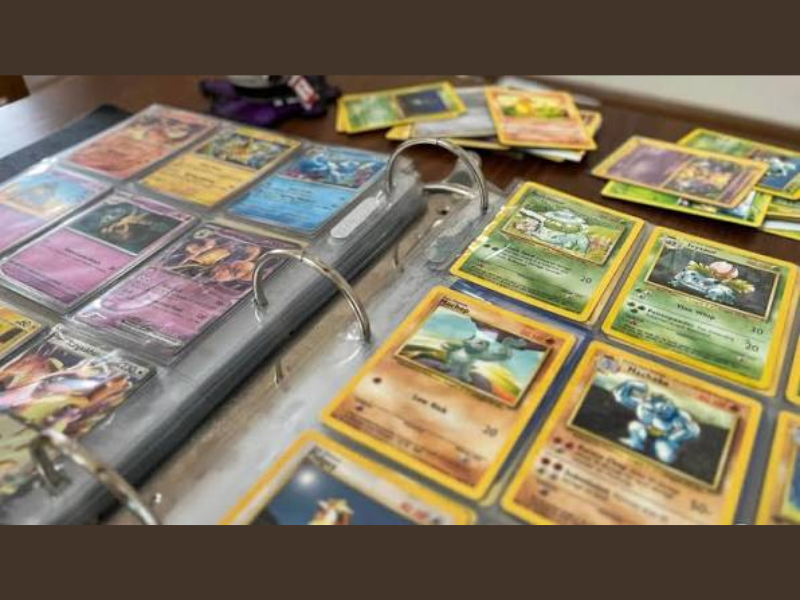
Pokémon cards used to be the kind of thing you traded at school, kept in binders, or accidentally destroyed in your backpack. Today, they can be worth thousands of dollars, and in some cases, enough to turn a theft into a major criminal case. According to reports, a 36-year-old man pleaded guilty after stealing approximately $21,000 worth of Pokémon cards and received a sentence of more than 10 years in prison.
That number may sound shocking if you still think of Pokémon cards as colorful childhood collectibles. But the trading card market has changed massively. Rare cards, sealed booster boxes, graded collectibles, and limited-edition releases have become serious investment items. Some collectors treat them like art. Others treat them like stocks. And unfortunately, that value has also made them attractive targets for theft.
The Pokémon Trading Card Game has experienced a major boom in recent years. Influencers, streamers, celebrities, and nostalgic adults helped push demand to new heights. Card openings became viral content. Rare pulls became online events. A single graded card could generate more excitement than some game trailers. The result is a market where sealed products can sell out fast and rare items can command huge resale prices.
This case is a reminder that collectibles are not “just toys” anymore. Stores have increased security around trading cards, some retailers limit purchases, and collectors are more cautious than ever about storage and resale. When a hobby becomes a high-value market, it attracts both passionate fans and bad actors.
For younger fans entering the Pokémon card scene, the lesson is simple: enjoy the hobby, but understand the stakes. Whether you collect for nostalgia, competition, investment, or pure love of Charizard looking ridiculously cool, the Pokémon TCG is now part of a serious global collectibles economy. Pikachu may be cute, but the market around him is not playing around.
That number may sound shocking if you still think of Pokémon cards as colorful childhood collectibles. But the trading card market has changed massively. Rare cards, sealed booster boxes, graded collectibles, and limited-edition releases have become serious investment items. Some collectors treat them like art. Others treat them like stocks. And unfortunately, that value has also made them attractive targets for theft.
The Pokémon Trading Card Game has experienced a major boom in recent years. Influencers, streamers, celebrities, and nostalgic adults helped push demand to new heights. Card openings became viral content. Rare pulls became online events. A single graded card could generate more excitement than some game trailers. The result is a market where sealed products can sell out fast and rare items can command huge resale prices.
This case is a reminder that collectibles are not “just toys” anymore. Stores have increased security around trading cards, some retailers limit purchases, and collectors are more cautious than ever about storage and resale. When a hobby becomes a high-value market, it attracts both passionate fans and bad actors.
For younger fans entering the Pokémon card scene, the lesson is simple: enjoy the hobby, but understand the stakes. Whether you collect for nostalgia, competition, investment, or pure love of Charizard looking ridiculously cool, the Pokémon TCG is now part of a serious global collectibles economy. Pikachu may be cute, but the market around him is not playing around.


 Accueil
 Envoyer à un ami
 Version imprimable
 Augmenter la taille du texte
 Diminuer la taille du texte
 Partager