

 L'accueil

Performance Woes Shadow a Hyped Return

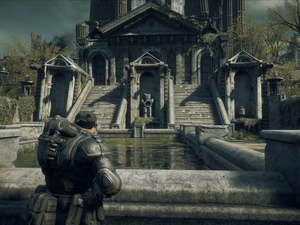
Gears of War: Reloaded has landed on Steam with the precisely awkward label no publisher wants to see day one: “Mixed.” At the time of writing, only about 50% of user reviews are positive, an unusually soft opening pulse for a franchise that usually mobilizes an automatic wave of goodwill. The result is a visible kink in the momentum a prestige third‑person shooter relies on during its first sales and Game Pass engagement window.
Early player feedback clusters around a handful of technical blemishes: shader compilation stutter during initial firefights, intermittent frame pacing drops on mid‑range CPUs, sporadic crash‑to‑desktop incidents, and inconsistent matchmaking stability when forming public Horde or Versus lobbies. None of these complaints are unprecedented for a large Unreal-based PC release, but combined they create friction that drowns out praise for the tighter camera work and refreshed impact animations some players are celebrating.
Why does “Mixed” matter this quickly? Steam’s discovery systems lean on velocity and satisfaction; a tepid rating can nudge undecided buyers into wishlisting limbo or the “wait for first patch” holding pattern. That, in turn, can dampen concurrent counts, affecting lobby health and anecdotal social proof. Historically, high‑profile shooters that resolve performance hitches inside the first 10–14 days can recover sentiment sharply—see examples ranging from major battle royale updates to co‑op action remasters. Those that delay risk letting the narrative calcify.
The franchise context amplifies scrutiny. Since its 2006 debut defined the modern cover shooter loop, Gears has carried expectations of meaty recoil feedback, razor‑clean snap‑to‑cover logic, and increasingly PC‑savvy ports. Reloaded arrives positioned—implicitly or explicitly—as a modernization touchstone, so baseline optimization feels less like a “nice to have” and more like a brand obligation. Any sense of regression relative to the strong PC showing of the previous numbered entry intensifies critique.
Players parsing config files are already circulating DIY mitigations: forcing shader pre‑caching via driver control panels, capping frame rates to stabilize frame pacing, switching from Ultra to High textures to avoid VRAM spikes on 8GB cards, and disabling certain overlays suspected of compounding hitching. These community band‑aids buy time but rarely reverse an aggregate sentiment trend without official reinforcement.
Communication now becomes strategic. A transparent “Known Issues” post—with root cause buckets (graphics pipeline, matchmaking services, crash telemetry)—can reframe frustration into a collaborative debug cycle. Silence, conversely, risks fueling narratives that optimization was deprioritized to meet a marketing-aligned August window.
Monetization stakes lurk in the background. If cosmetic or battle pass elements (not yet detailed publicly) are meant to drive a live cadence, early erosion of good will can directly suppress conversion. Even in a Game Pass scenario, sustained engagement metrics influence internal greenlights for post‑launch content depth.
The path forward feels conventional but urgent: deploy a shader pre‑compilation pass, address memory leaks, stabilize network handshakes, and publicize crash fix percentages in patch notes. Clear before-and-after metrics (average frame time variance reductions, crash rate deltas) build credibility.
Early player feedback clusters around a handful of technical blemishes: shader compilation stutter during initial firefights, intermittent frame pacing drops on mid‑range CPUs, sporadic crash‑to‑desktop incidents, and inconsistent matchmaking stability when forming public Horde or Versus lobbies. None of these complaints are unprecedented for a large Unreal-based PC release, but combined they create friction that drowns out praise for the tighter camera work and refreshed impact animations some players are celebrating.
Why does “Mixed” matter this quickly? Steam’s discovery systems lean on velocity and satisfaction; a tepid rating can nudge undecided buyers into wishlisting limbo or the “wait for first patch” holding pattern. That, in turn, can dampen concurrent counts, affecting lobby health and anecdotal social proof. Historically, high‑profile shooters that resolve performance hitches inside the first 10–14 days can recover sentiment sharply—see examples ranging from major battle royale updates to co‑op action remasters. Those that delay risk letting the narrative calcify.
The franchise context amplifies scrutiny. Since its 2006 debut defined the modern cover shooter loop, Gears has carried expectations of meaty recoil feedback, razor‑clean snap‑to‑cover logic, and increasingly PC‑savvy ports. Reloaded arrives positioned—implicitly or explicitly—as a modernization touchstone, so baseline optimization feels less like a “nice to have” and more like a brand obligation. Any sense of regression relative to the strong PC showing of the previous numbered entry intensifies critique.
Players parsing config files are already circulating DIY mitigations: forcing shader pre‑caching via driver control panels, capping frame rates to stabilize frame pacing, switching from Ultra to High textures to avoid VRAM spikes on 8GB cards, and disabling certain overlays suspected of compounding hitching. These community band‑aids buy time but rarely reverse an aggregate sentiment trend without official reinforcement.
Communication now becomes strategic. A transparent “Known Issues” post—with root cause buckets (graphics pipeline, matchmaking services, crash telemetry)—can reframe frustration into a collaborative debug cycle. Silence, conversely, risks fueling narratives that optimization was deprioritized to meet a marketing-aligned August window.
Monetization stakes lurk in the background. If cosmetic or battle pass elements (not yet detailed publicly) are meant to drive a live cadence, early erosion of good will can directly suppress conversion. Even in a Game Pass scenario, sustained engagement metrics influence internal greenlights for post‑launch content depth.
The path forward feels conventional but urgent: deploy a shader pre‑compilation pass, address memory leaks, stabilize network handshakes, and publicize crash fix percentages in patch notes. Clear before-and-after metrics (average frame time variance reductions, crash rate deltas) build credibility.


 Accueil
 Envoyer à un ami
 Version imprimable
 Augmenter la taille du texte
 Diminuer la taille du texte
 Partager