




 L'accueil

What privatization could mean for franchises, studios, and players

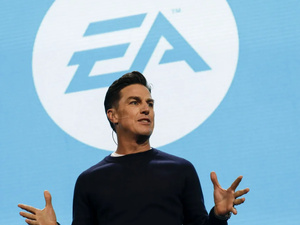
In one of gaming’s biggest corporate pivots, Electronic Arts is set to go private. The publisher confirmed that an investor group led by Silver Lake, alongside Affinity Partners and Saudi Arabia’s Public Investment Fund (PIF), will acquire 100% of EA in a deal valued around $55 billion. Once finalized, EA will delist from public markets—ending decades of quarterly earnings theater and setting up a new governance structure behind closed doors.
Privatization changes the rhythm. Without the constant pressure of public reporting, EA could take longer bets on tech, new IP, and studio incubation. Conversely, private ownership brings its own imperatives: return on investment, cost discipline, and strategic focus. Expect a sharpened portfolio—FIFA successor FC, Apex Legends, Battlefield, The Sims, and sports franchises—while experimental projects face higher bars.
For players, near-term changes may be subtle: live games continue, annualized sports releases roll on, and studios keep shipping. The bigger question is cadence and risk tolerance. Does a private EA double down on services and subscriptions? Does it chase transmedia plays or acquisitions of specialized studios? With fewer public disclosures, answers will arrive via product moves rather than investor slides.
The deal also spotlights geopolitics in gaming. PIF’s participation follows a series of stakes across entertainment and esports, part of a broader diversification strategy. That involvement will rekindle debates about influence, ethics, and the cultural footprint of capital in interactive media.
Regulatory review lies ahead. Antitrust scrutiny is expected but less heated than platform-holder megamergers since this is a financial buyout, not horizontal consolidation. Still, watchdogs will probe market impact and data governance, especially around live-service economies that handle player spending at scale.
If approved, EA’s next season begins off the public stage. The scoreboard won’t be quarterly EPS—it’ll be whether the publisher can ship bangers, steady the franchises that wobble, and prove that privacy can buy creativity, not just cost cuts.
Privatization changes the rhythm. Without the constant pressure of public reporting, EA could take longer bets on tech, new IP, and studio incubation. Conversely, private ownership brings its own imperatives: return on investment, cost discipline, and strategic focus. Expect a sharpened portfolio—FIFA successor FC, Apex Legends, Battlefield, The Sims, and sports franchises—while experimental projects face higher bars.
For players, near-term changes may be subtle: live games continue, annualized sports releases roll on, and studios keep shipping. The bigger question is cadence and risk tolerance. Does a private EA double down on services and subscriptions? Does it chase transmedia plays or acquisitions of specialized studios? With fewer public disclosures, answers will arrive via product moves rather than investor slides.
The deal also spotlights geopolitics in gaming. PIF’s participation follows a series of stakes across entertainment and esports, part of a broader diversification strategy. That involvement will rekindle debates about influence, ethics, and the cultural footprint of capital in interactive media.
Regulatory review lies ahead. Antitrust scrutiny is expected but less heated than platform-holder megamergers since this is a financial buyout, not horizontal consolidation. Still, watchdogs will probe market impact and data governance, especially around live-service economies that handle player spending at scale.
If approved, EA’s next season begins off the public stage. The scoreboard won’t be quarterly EPS—it’ll be whether the publisher can ship bangers, steady the franchises that wobble, and prove that privacy can buy creativity, not just cost cuts.


 Accueil
 Envoyer à un ami
 Version imprimable
 Augmenter la taille du texte
 Diminuer la taille du texte
 Partager


